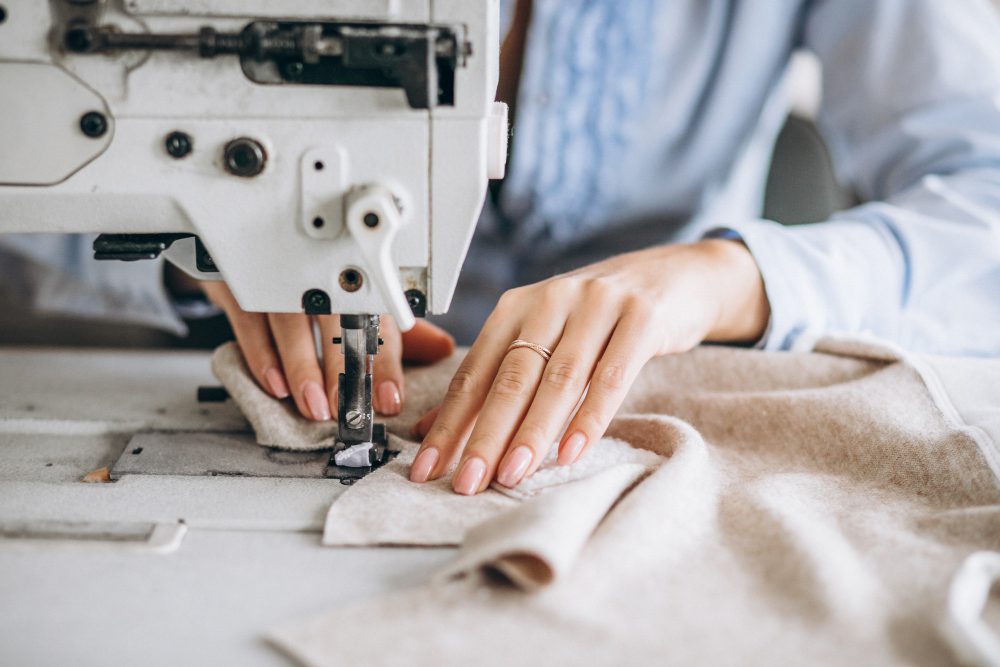
The reason tailors don’t accept some alteration requests often comes down to unrealistic timelines. Quality alterations take time, and when garments are brought in too close to a deadline, there’s less room to do the work properly. When this is the case, even experienced professionals can’t guarantee the best outcome.
Additionally, different types of clothing alterations require various levels of attention. This guide helps you understand realistic timelines for alterations. The goal here is to help you feel prepared, so you know when to schedule alterations and what to expect along the way.
Everyday Clothing Alterations
Everyday clothing alterations involve the items you wear most often, such as jeans, work clothes, and casual dresses. These garments usually need simple fit changes such as hemming, adjusting the waist, or shortening sleeves to feel more comfortable and look better.
Although the work may seem minor, it still needs to be scheduled in advance since tailors handle many similar requests each day.
Average Turnaround Time for Different Pieces
What most clients can expect for common items:
- Jeans and trousers: Hemming or waist adjustments usually take 3–7 business days
- Workwear (slacks, blazers, skirts): 1–2 weeks, depending on construction
- Casual dresses: Often 7–10 days if no structural changes are needed
Factors that influence timing:
- Lined vs. unlined garments
- Stretch fabrics versus rigid denim or wool
- Number of items dropped off at once
Scheduling everyday alterations at least one to two weeks in advance keeps the process smooth and allows time for minor refinements if needed.
Formalwear and Special Occasion Garments
Formalwear alterations require a high level of precision because these garments are built with structured tailoring and detailed construction. Suits, gowns, uniforms, and eveningwear require careful balance across multiple areas to ensure the final look feels refined, not reworked. These pieces often require more than one fitting to achieve the right fit for the occasion.
How professionals approach formalwear alterations
- Initial fitting: Identify primary adjustments such as jacket length, sleeve pitch, or dress shaping
- Structural work: Tailor reshapes key areas while maintaining garment balance
- Follow-up fitting: Confirm movement, drape, and comfort
- Final refinements: Address small details before completion
Common areas that require precision include:
- Jacket shoulders and lapels
- Dress bodices and seams
- Uniform symmetry and regulation compliance
Formalwear alterations typically take three to six weeks, depending on complexity and fitting needs. Starting early allows tailors to focus on quality rather than speed, which always shows in the final result.
Wedding and Event-Specific Alterations
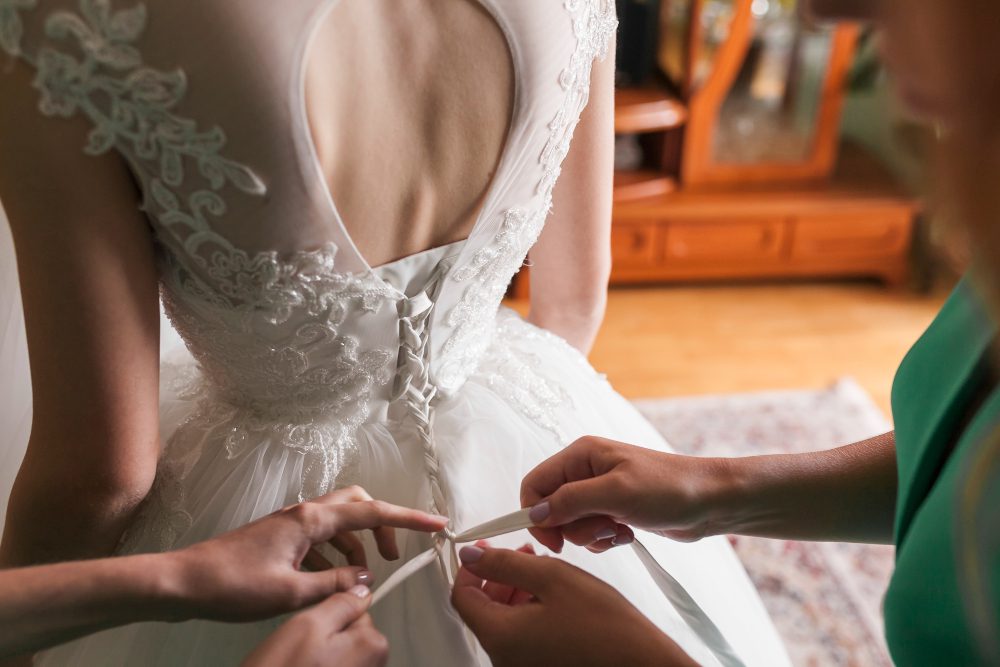
Wedding and event-specific alterations follow a different timeline due to the complexity of the designs and the importance of the occasion. Dresses and suits for major events often require multiple rounds of adjustments rather than a single round. Fabric layers, embellishments, and the movement of the garment all affect how alterations progress over time.
Complexity Considerations
Elements that affect event-related alteration timelines:
- Fabric layers: Lace, tulle, and silk require careful handling
- Design features: Corsetry, boning, trains, or bustles
- Accessory integration: Shoes, undergarments, and jewelry influence fit
Smart planning practices:
- Schedule the first fitting 8–12 weeks before the event
- Bring event shoes and underlayers to fittings
- Expect at least two fittings for optimal results
Event-specific alterations succeed when time allows thoughtful execution. Early scheduling supports a calm, controlled process that leads to confident wear on the day itself.
Factors That Can Extend Alteration Timelines
Several factors can extend alteration timelines, even when a garment appears simple. Seasonal demand, fabric type, and the need for extra fittings all affect a tailor’s schedule. During busy periods, even minor adjustments may take longer because of higher volume.
Factors that affect average turnaround
- Seasonal surges: Spring and summer bring weddings, graduations, and proms
- Challenging fabrics: Leather, silk, sequins, or heavy wool
- Fit changes: Weight fluctuation or posture adjustments
- Revision requests: Additional tweaks after the first fitting
When you factor these elements into your schedule, the alteration process becomes predictable instead of stressful. Extra time is not a setback; it’s a safeguard for quality.
Why Waiting Too Long Can Affect Results
Waiting too long to schedule alterations often forces rushed decisions that limit what a tailor can realistically accomplish. When time is short, certain adjustments may no longer be feasible without compromising the structure or finish. Rushed timelines also increase the risk of fit issues because there’s little room for testing and refinement.
Quality vs Speed
What changes under time pressure:
- Fewer fitting opportunities
- Limited adjustment options
- Higher likelihood of visible seams or imbalance
- Increased rush fees
What proper timing supports:
- Clean construction
- Balanced proportions
- Comfortable movement
- A polished final appearance
Scheduling alterations in advance preserves craftsmanship and ensures the garment looks intentional rather than hurried. Time gives tailors the space they need to deliver results that truly fit your body and your expectations.
Don’t Wait Until the Last Minute for Alterations – Call Omni Cleaners Today
Waiting too long to schedule alterations often results in rushed work and fewer options. Bringing garments in early gives your tailor time to achieve a proper fit and a clean finish.
At Omni Cleaners, we provide expert clothing alterations in Houston, Texas, helping clients plan their alterations based on garment type and required deadlines. From everyday clothing to formalwear and bridal pieces, our skilled tailors focus on precision, comfort, and dependable turnaround times.
If your clothes need adjustment, don’t guess the timeline. Call Omni Cleaners at 346-567-7601 to schedule your Alteration Service and get clear guidance on what to expect and when to bring in your garments.