Every spring cleaning list has the usual suspects. Wipe down the baseboards. Clear out the pantry. Reorganize the closet. But after all that, most people sit back feeling good about their clean home while a handful of fabric items quietly go untouched for another year.
Some of those items are more problematic than people initially thought. Not dirty in a visible way, but dirty in the way that affects sleep quality, allergy symptoms, and how fresh your home actually smells.
This checklist covers the seven most commonly skipped laundry items during spring cleaning, how to wash each one correctly, and when it genuinely makes more sense to use a professional laundry service rather than doing it yourself.
1. Bed Pillows (The Most Neglected Item in Most Bedrooms)
Your pillow itself absorbs sweat, skin oils, and dead skin cells every single night, and over several months, that accumulation becomes a genuine dust mite habitat. If your allergies seem worse in the mornings or your sleep quality has been off, your pillows are worth investigating before anything else on this list.
How to wash bed pillows correctly:
- Wash two at a time so the machine stays balanced through the spin cycle
- Use warm water with a mild detergent and run a second rinse cycle to clear out any soap residue, which can cause itching and affect pillow texture
- Dry on low heat with two or three dryer balls. This keeps the fill from clumping and cuts drying time. Check by squeezing the center of the pillow: if it still feels damp inside, it goes back in.
- Most synthetic and down pillows are machine washable. Memory foam is not. Check the care label and hand wash foam pillows in the tub with mild soap if needed.
If your pillows are heavily soiled, have lost their shape, or are made from specialty fill materials, a wash and fold laundry service handles them without the guesswork.
2. Kitchen Towels and Dish Cloths
Kitchen towels are the most bacteria-dense textile in most homes. They pick up raw meat residue, egg, grease, and whatever else crosses the counter, and most people use them for days before washing. Studies have found that a significant portion of kitchen towels are full of bacteria, including some strains that cause foodborne illness.
Spring cleaning is a good time to start fresh with clean towels and build a better rotation habit.
How to sanitize kitchen towels properly:
- Hot water is essential here. Warm water does not reliably kill bacteria. If your machine has a sanitize cycle, use it.
- Wash kitchen towels separately from clothing and other household fabrics. Cross-contamination is real.
- Add a half cup of white vinegar to the rinse cycle to break down grease residue and odor without affecting the cotton fibers
- Do not skip the dryer. Air-dried kitchen towels in a humid kitchen develop mildew faster than most people expect.
3. Throw Blankets on Your Sofa
The throw blanket on your couch is one of the most touched items in your home. Everyone uses it. Sometimes your pets do too, and it rarely gets washed because it rarely looks dirty. By spring, it has accumulated months of body oils, pet dander, and general household dust. It may not smell, but it is not clean.
How to wash throw blankets without ruining them:
- Shake it outside first to remove loose debris and pet hair before it goes in the machine
- Check the fabric. Cotton and synthetic blends handle a regular gentle cycle fine. Wool, cashmere, and chunky knits need cold water and a wool-specific detergent, or they will shrink and felt.
- Air-dry delicate throws flat rather than hanging them, which can stretch the fabric out of shape
- For oversized or heavily textured blankets that barely fit in your home machine, a laundry service with commercial-sized washers does a cleaner job with less wear on the fabric
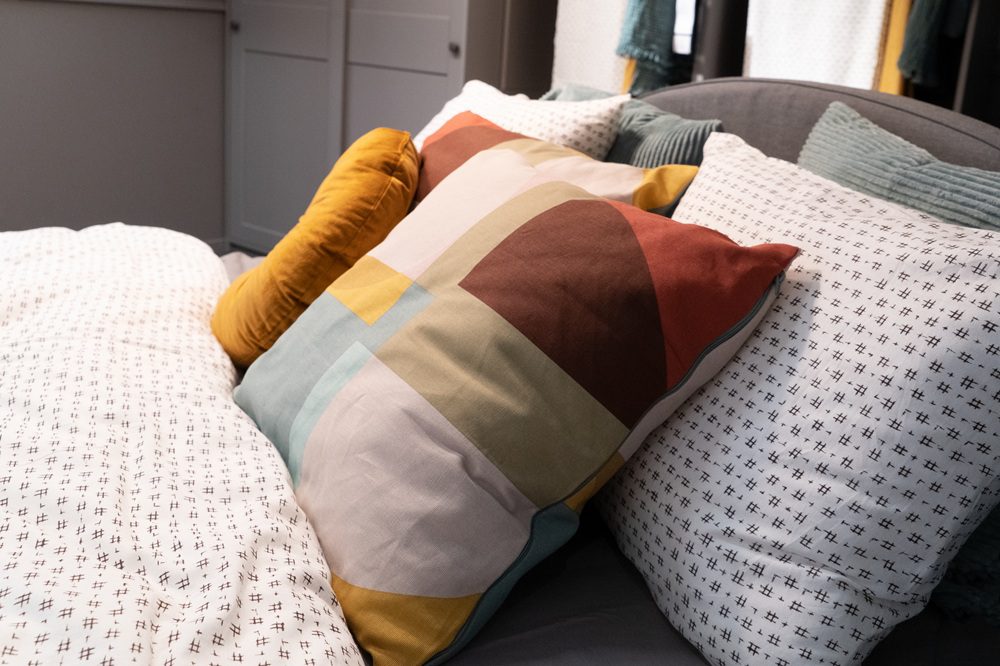
4. Decorative Pillow Covers
These sit on every couch and bed in the house, get handled constantly, and almost never get washed. They pick up oils from skin and hands, attract dust, and if you have pets, they collect dander even when nobody is touching them. After a full winter, they can noticeably affect a room’s air quality, even if nobody connects the cause.
How to clean decorative pillow covers:
- Remove covers from inserts before washing. Washing the whole pillow when only the cover needs cleaning adds unnecessary wear.
- Pre-treat any stained spots before the cycle. Once a stain sets through a full wash, it is significantly harder to remove.
- Turn covers inside out before washing to protect surface texture, embroidery, and any printed designs
- Delicate covers with embellishments, beading, or structured fabric should go in a mesh laundry bag on a gentle cold cycle
5. Curtains and Lightweight Drapes

Curtains are basically air filters that never get cleaned. They trap dust, pollen, cooking odors, and anything else floating through the room, and because they are always in the same place, they rarely register as dirty. In a Houston spring when pollen counts run high, unwashed curtains can meaningfully affect indoor air quality.
How to wash curtains without damage:
- Vacuum them with an upholstery attachment before they go in the machine. This prevents loose dust from turning into a muddy residue once wet.
- Wash on a gentle cycle with cold water and a small amount of mild detergent. Most curtain fabric is lighter and more fragile than it looks.
- Pull them out of the machine slightly damp and hang them immediately on the rod. The weight of the fabric as it dries naturally removes most wrinkles without ironing.
- Heavy or lined drapes, anything with blackout lining or interlined panels, generally need professional cleaning. Machine washing can separate the layers and permanently alter how they hang.
6. Seasonal Jackets Coming Out of Storage
Even jackets that went into storage clean can come out smelling stale or with faint discoloration from months in a closet or storage bin. Allergens, dust, and sometimes mildew spores settle into fabric during long storage. Putting them back into rotation without washing first brings all of that directly into your daily wardrobe.
How to refresh seasonal jackets properly:
- Inspect for stains before washing. A stain that went into storage has likely set. Treat it with a stain remover before the wash cycle rather than expecting the machine to handle it alone.
- Zip everything closed and turn jackets inside out. Open zippers are abrasive to the drum and other items in the load.
- Check care labels carefully. Down jackets, wool coats, and anything with a structured shell or specialty outer fabric typically require either handwashing or professional cleaning.
- Avoid high heat in the dryer. Even jackets that survived winter use can shrink or lose their shape if dried on a high setting after sitting in storage.
7. Washable Rugs and Floor Mats
Entry mats and smaller area rugs take more abuse than almost any other fabric in the house. They collect tracked-in dirt, moisture, and bacteria from shoes, and in a Houston spring they are also collecting whatever gets tracked in from outside during rain and high-pollen days. Vacuuming handles surface debris. It does not reach what has settled into the base of the fibers.
How to wash area rugs and floor mats:
- Shake or beat the rug outdoors before washing to remove as much loose dirt as possible. Washing a heavily loaded rug strains both the machine and the fibers.
- Wash rugs separately. Rug backing and rug fibers shed significantly in the machine and will transfer to everything else in the load.
- Use a heavy-duty cycle for thick or sturdy rugs and a gentle cycle for thinner ones. Cold or warm water is fine for most rug materials.
- Dry completely before putting back down. A rug that goes back on the floor while still damp at the base will develop mold and odor within days, especially in a humid Houston home.
- For large rugs that do not fit in a standard home machine, a laundry service with commercial washers handles them properly without the half-load gymnastics.
Houston’s Favorite Wash and Fold Service Is One Pickup Away. Book Omni Cleaners Today.
Spring cleaning has a way of expanding past what you planned for. You get through half the list, and the laundry pile starts to look overwhelming, and suddenly it becomes a project you are putting off until next weekend.
Omni Cleaners offers wash and fold laundry service across Houston, Texas, with free pickup and delivery from your home or office. Drop off or schedule a pickup, and your items come back washed, dried, and folded. Blankets, towels, pillow covers, seasonal jackets, and everything on this list except your curtains and area rugs can go straight into your order. For larger or specialty items, reach out, and we can talk through the best option.
It is a practical way to get the laundry side of spring cleaning finished without spending your Saturday rotating loads.
Schedule a pickup online: https://omnicleaners.smrtapp.com/custx/login
Phone: 346-572-3495
Location: Houston, Texas